

If you are a massage therapist looking for massage continuing education in Bend, Oregon that goes beyond routine technique review, this training was designed for you.
A Living Systems Approach to Manual Therapy is a three-part mini-series for practitioners who want to improve their assessment skills, deepen their anatomical understanding, and work with greater clarity and precision. Each module stands on its own, and together the series builds a broader framework for understanding how the body organizes, compensates, and changes.
This is not a force-based approach. It is a precise, low-force way of assessing and working with the body that helps practitioners identify meaningful restrictions and apply practical hands-on tools they can use right away in clinical practice.
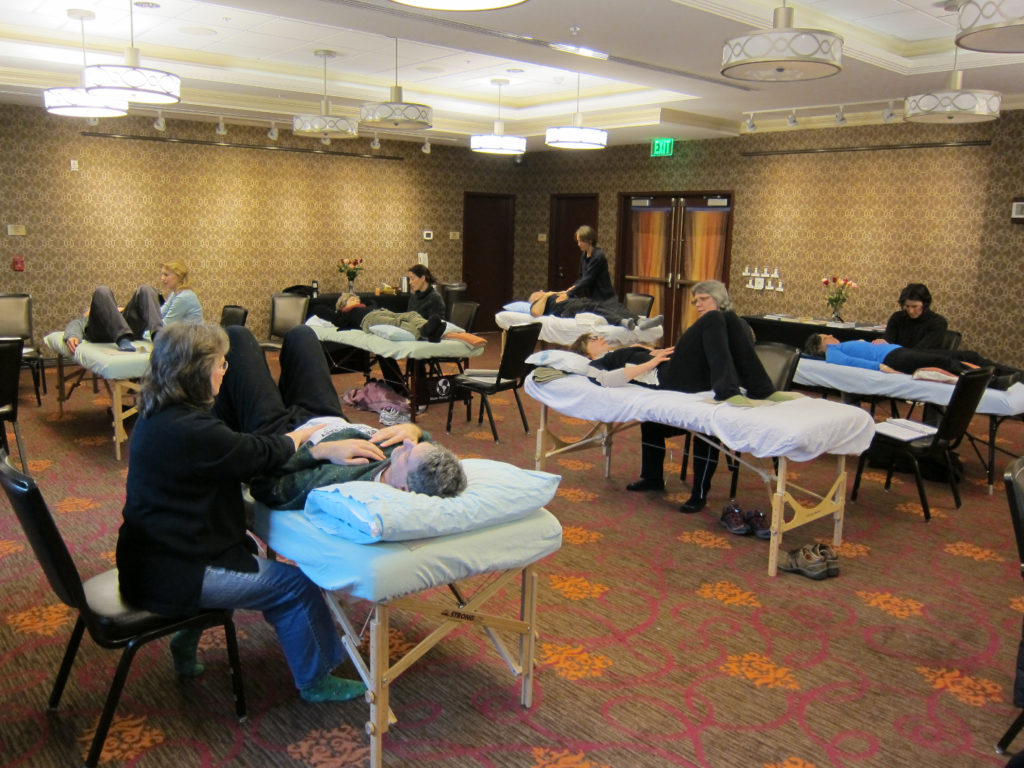
Why This Training Matters
Many massage therapists are well trained in working with muscle and fascia. That matters. But in many chronic cases, the deeper drivers of pain, tension, stiffness, and compensation patterns are not purely muscular.
Sometimes the issue is structural. Sometimes it involves spinal mechanics, dural tension, or the relationship between the spine and the organs and their membranes. Sometimes the main problem is not where the pain is felt, but where the body is being organized from.
That is where more refined assessment becomes essential.
This mini-series is designed to help practitioners:
-
assess more accurately
-
identify primary restrictions more clearly
-
understand whole-body relationships more deeply
-
apply precise, low-force hands-on methods with more confidence
For therapists who want better clinical reasoning and more consistent results, this kind of training can be a major next step.
A Three-Part Manual Therapy Mini-Series in Bend, Oregon
This series includes three two-day classes held in Bend, Oregon. Each class may be taken individually, and together they create a more complete structural framework.
Module I: Whole-Body Listening Assessments
The first class focuses on developing perceptual and structural assessment skills so you can better understand how the body is organizing as a whole.
Rather than chasing symptoms from one area to the next, this training helps you identify where motion, tension, and strain are actually being driven from. That shift alone can change the quality of your work dramatically.
Topics include:
-
whole-body listening and assessment strategies
-
identifying primary restrictions and compensation patterns
-
understanding how local findings relate to global organization
-
refining touch, perception, and clinical reasoning
This module creates the foundation for the rest of the series, but it also stands alone as a complete training in assessment.
Module II: Precision Spinal & Dural Mechanics
The second class explores the mechanics of the spine and dural system with a focus on specificity, clarity, and function.
Practitioners will learn to assess key spinal relationships, identify meaningful restrictions, and work more precisely with the structural patterns that influence the entire system.
Topics include:
-
segmental and regional spinal mechanics
-
dural relationships and their influence on motion and tension
-
addressing upper spinal mechanics as the root cause for leg length discrepancy and pelvic torsion issues
-
assessment of key spinal junctions
-
precise treatment approaches for restoring mobility and organization
This module is especially valuable for practitioners who want a clearer understanding of how spinal relationships affect the body globally.
Module III: Visceral-Spinal Relationships: Organs, Membranes, and Mechanical Influence
The third class explores the relationship between the spine, the organs, and their suspensory and attaching membranes.
This material helps practitioners understand how visceral structures can influence mechanical balance, spinal tension patterns, and broader compensation throughout the body.
Areas of study include:
-
the esophagus and diaphragm
-
the liver, stomach, and spleen
-
the kidneys and small intestines
-
visceral attachments and their relationship to spinal mechanics
-
how organ tension patterns influence broader structural compensation
For therapists who want to work beyond a purely musculoskeletal model, this module opens up an important clinical perspective.
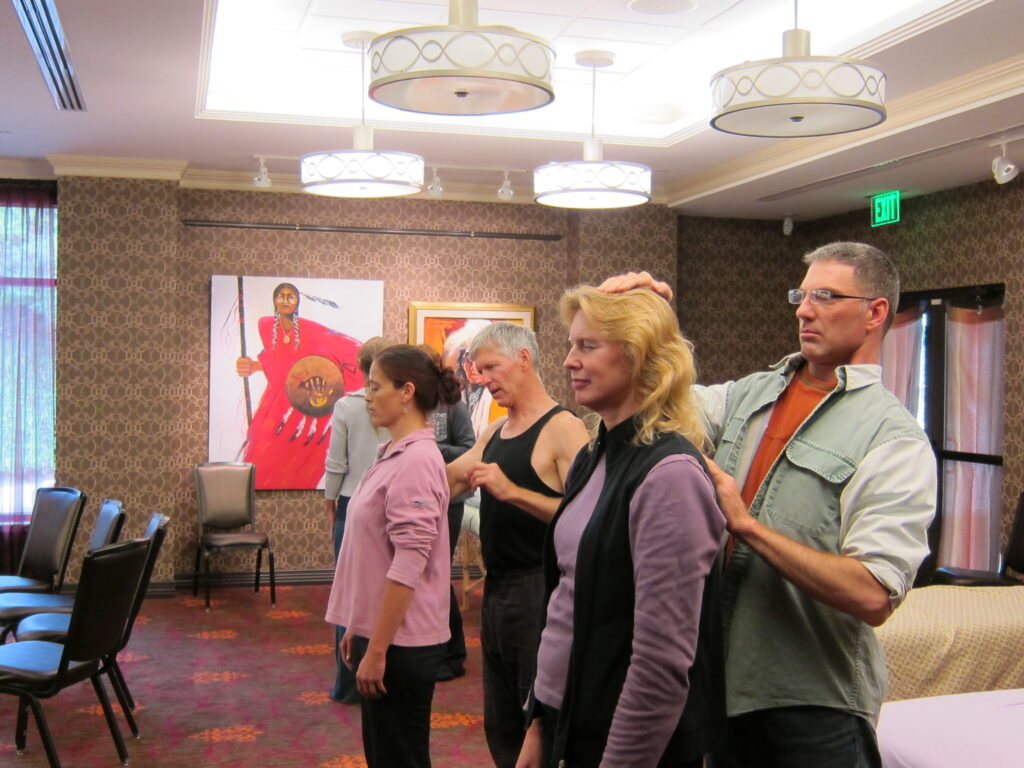
Who This Training Is For
This mini-series is designed for:
-
massage therapists
-
manual therapists
-
bodyworkers
-
osteopathic practitioners
-
movement professionals
-
hands-on practitioners who want sharper assessment skills and more precise clinical work
This is not an entry-level training. It is best suited for practitioners who already have a solid foundation in anatomy and hands-on work and are ready to deepen their ability to assess and treat more effectively.
What Makes This Manual Therapy Training Different
There are many continuing education classes for massage therapists. Some focus on techniques. Some focus on theory. Some give useful tools but do not create a larger framework for thinking.
This training is different because it emphasizes both structure and perception.
You are not just learning what to do with your hands. You are learning how to:
-
think more structurally
-
listen more accurately
-
understand what matters most
-
work with less force and more specificity
That often leads to better results for both practitioner and client.
Each module includes:
-
a comprehensive manual
-
PowerPoint-based instruction
-
hands-on support throughout the training
The goal is not to overwhelm you with information. The goal is to help you leave with practical understanding you can actually apply.
Massage CEUs in Bend, Oregon
For practitioners specifically searching for massage CEUs in Bend, Oregon or massage continuing education in Central Oregon, this series offers an opportunity to study advanced hands-on work in a small-group setting.
The classes are held at:
Hilton Garden Inn – Broken Top Room
Bend, Oregon
Class size is limited to 20 participants, allowing for more individualized attention and a better learning environment.
Registration Details
Each class is priced individually, so practitioners can register for one class, two classes, or the full series depending on their interests and goals.
Investment: $500 per class
Deposit: $200 per class to reserve your space
Because space is limited, early registration is encouraged.
A Better Way to Deepen Your Work
Many therapists reach a point where they know they need something deeper. They are getting results, but not always the kind of consistent, lasting changes they want. They can feel that some patterns are not being fully resolved, but they do not yet have the assessment framework to understand why.
That is exactly where this training can help.
A more skillful hand matters. But a more accurate assessment matters even more.
When you can identify the primary restriction, understand how the body is organizing around it, and apply precise low-force input, your work changes. It becomes more efficient, more intelligent, and more clinically meaningful.
If you are looking for manual therapy training in Bend, Oregon, advanced massage continuing education, or a stronger framework for whole-body assessment and treatment, this three-part mini-series offers a practical and grounded way forward.
Register for the Mini-Series
If this training speaks to where you are in your work, you can learn more and reserve your place on the class page.